Lots of concerts coming up…first up, SCI Conference for Region 1 at UMaine

sci_logo

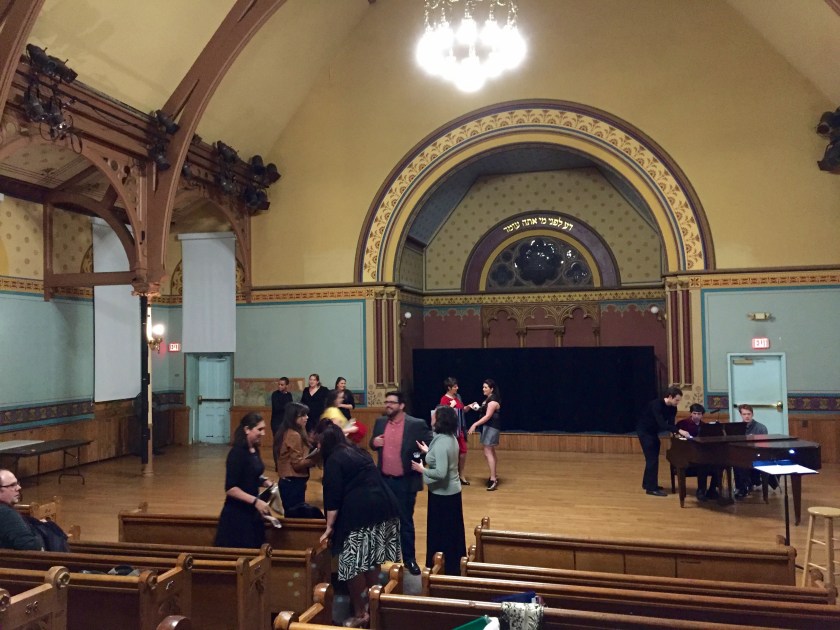
We’ve finalized the program order for our four concerts in mid-October in Orono. I’ll be performing four pieces, along with my UMaine colleagues Marcia Gronewold Sly, Liz Downing, and Ginger Yang Hwalek.

We’ll also hear a full program from Euphony, and from Transient Canvas. Looking forward to everything – if you’re in the area, please come on by.

SCI 2015 Region I Conf Program info complete

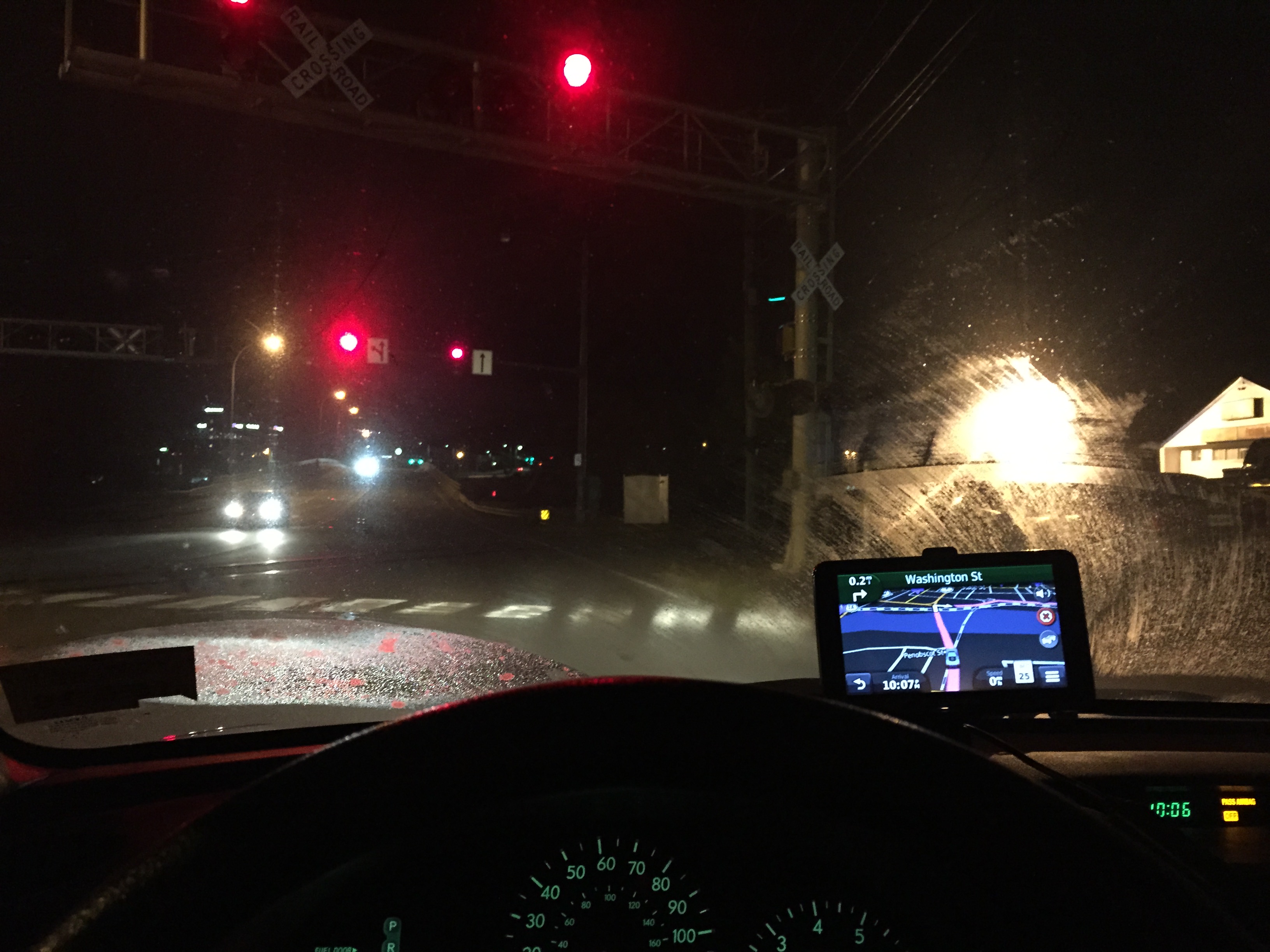
Country roads, me and my Garmin..

IMG_0980

All privacy issues aside, GPS is a great thing.

I spent almost all of the past weekend driving around New England, usually on rural roads, sometimes in the rain, sometimes in the dark, all in the service of what is essentially pretty non-mainstream music. Which is not what one would expect to be doing in your basic middle-of-nowhere..

A few years back, Davy met a young European composer at a festival in NYC, and when Davy mentioned that he preferred doing his composing outside of the city, the visiting musician barked at him “Art is Urban!” This particular musician would have been confused by my travels this weekend.

First, I had to deliver a small synthesizer to ensemble mise-en, a Brooklyn group that was in residence at I-Park, at the edge of a state park in Connecticut.

IMG_0960

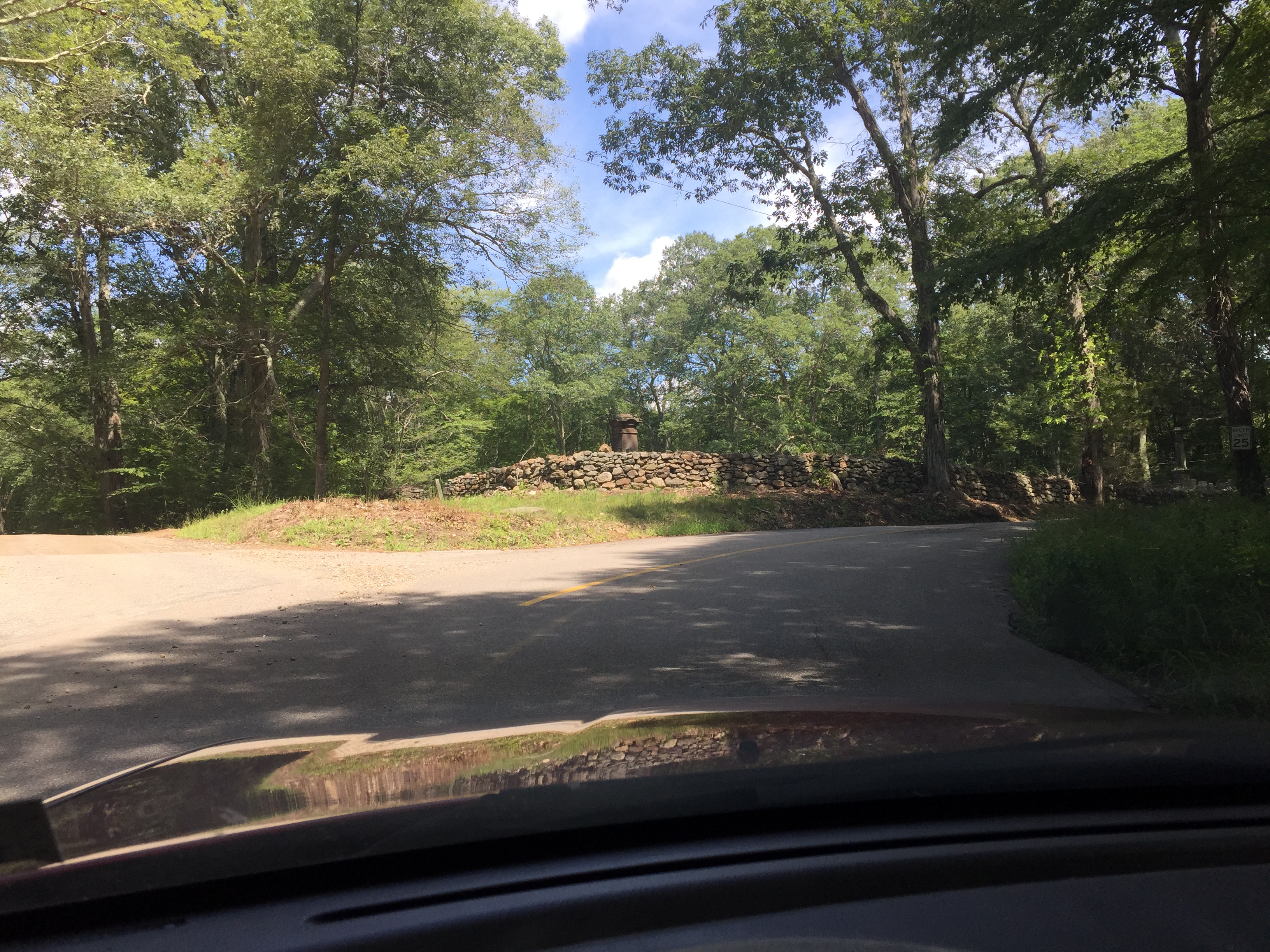
This particular synth, with a full-featured vocoder, was probably small enough to ship to the group (see above), but then I wouldn’t have been able to walk the pianist through the patches, etc., in person. So, before the school year’s schedule could make travel more difficult, I put the address of I-Park into my GPS system and off I went to meet the group’s director, Moon Young Ha, in the wilds of CT.

The I-Park campus was fairly well camouflaged, but after being directed only about half a mile off by the GPS, I found the nicely appointed studies, and was able to show off the synth using the ensemble’s own sound system. The pianist now has a few months to get used to speaking parts of the poem “Introducing the Nissan Jet-Pack” (by Miriam Gamble) into the vocoder’s microphone while playing the piano part in my piece for the ensemble’s November concert. (The piece is a musical setting of Miriam’s entire poem, with the various instrumentalists speaking at different times against both acoustic textures and some electronic accompaniments.) Yumi Suehiro, the pianist, tried out the vocoder while I was there, and I think she’ll be having a good time practicing her part.

It looked like the residency at I-Park was a good deal for the ensemble and the composers working with them at the studios, though Moon explained that getting to the facility from NYC was a little tricky. With the ensemble having to get from subway-to-train-to-car with all the rehearsal gear, there was a fair bit of problem-solving going on at either end of the residency. But, while at I-Park, everyone could focus on the rehearsal process for the project at hand with few distractions. Unless you count a nice walking/hiking environment as a distraction.

IMG_0964

The GPS had no trouble getting me back to Maynard in good time, as the rain had stopped by then. It turned out to be an excellent driving afternoon, with all of the road construction crews having left because of the earlier weather.

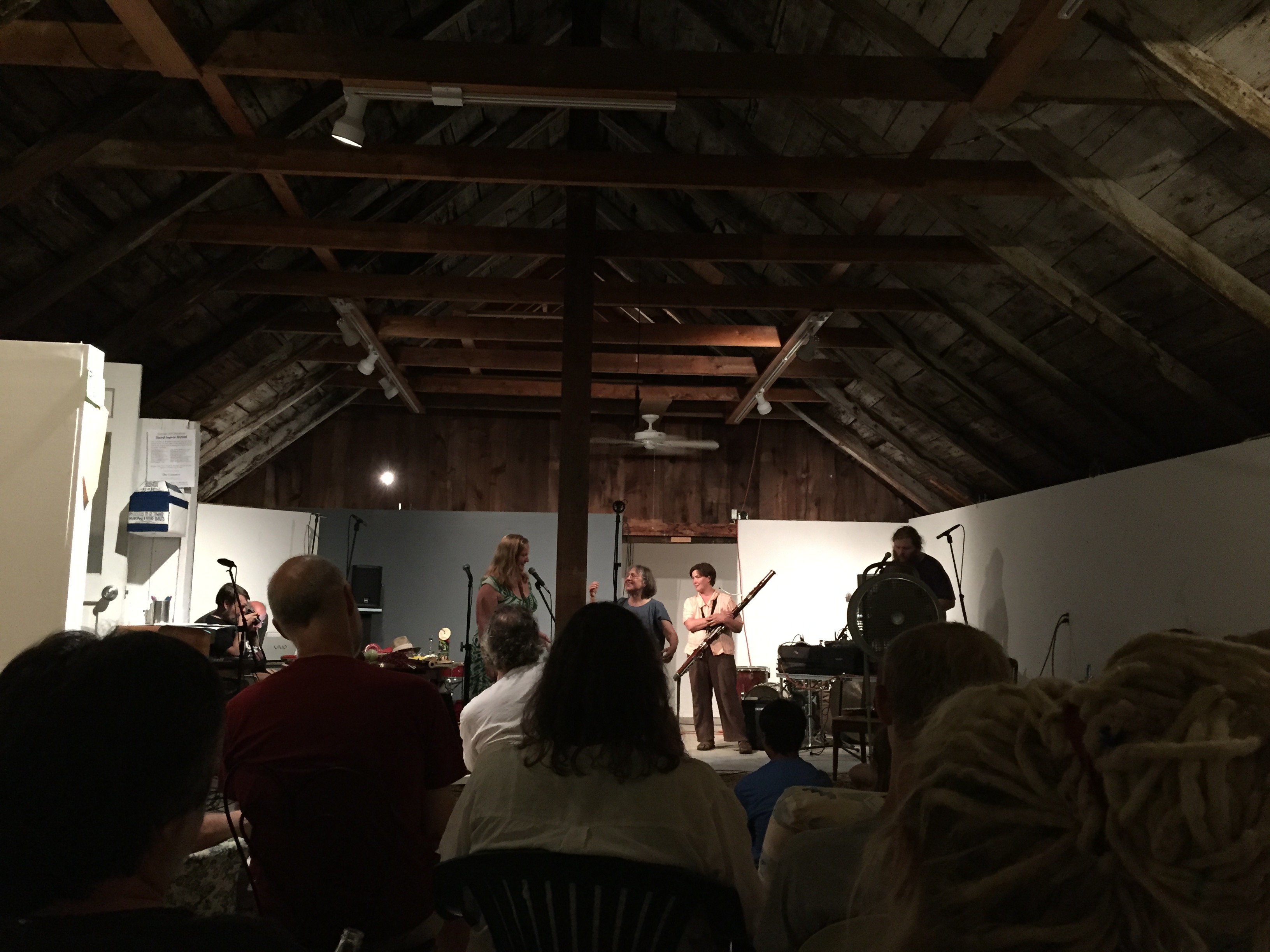
The very next day, I traveled back to Maine, but instead of going directly to Bangor, I went off to participate in Leslie Ross’s first Sound Improv Festival at her place in Penobscot, Maine (not far from Blue Hill). There was an impressive group of musicians, mostly from Maine but with a few Bostonians and New Yorkers mixed in, playing for each other and a pretty good-sized audience for, again, the middle of nowhere.

IMG_0975

Leslie is building her own workspace, concert space, and community from the ground up after leaving New York’s ever-rising rents behind. It was impressive to see and hear everyone there, and I had a particularly good time playing in a duo with Boston reed player Steve Norton. One audience member came up to me after that and said “the last thing I expected to hear in rural Maine was a bass clarinet duet.”

So, maybe art isn’t always urban.

However, driving home from Leslie’s, I was very grateful for the light of my GPS unit as I drove on the time roads away from Penobscot in the dark and fog. Middle-of-nowhere is fine, but going to and from these rural musical outposts requires reliable maps.

IMG_0962

Technology! FTW?

The internet thinks my husband would be enticed by a reasonably priced security system, with an iPhone app and that cool black new-tech look. The internet is correct.

We now have access to our home even when out of town, and get regular “activity” updates on our phones, our iPads,  our emails, really everywhere. Of course, some of the “activity” is kind of small scale.

Canary

We got alerts about this lighting change in the dining room this very morning. Granted, seeing it on a loop is kind of hypnotic, but I imagine that the whole experience will pale soon. It will become “the tech that cried wolf.” But at least Davy can check on things like the power going out (or, can he?).

Not that I’m against technology – I’ve been editing the new piece for ensemble mise-en, which has not only some prerecorded electronic sounds, but also a vocoder for the pianist to use. Based on a poem by Miriam Gamble, “Introducing the Nissan Jet-Pack,” the tech sounds fall into place fairly naturally, I think. We’ll see how tricky it is to put together, with the necessary cueing and all, when the piece gets played in November in Brooklyn.

I’ve also been editing some demo tracks from the opera I’ve been working on with Jennifer Moxley. The recording sessions we had in May went very well, and I’ve been adding the electronic tracks impost, as they say. As with the mise-en piece, in real life there may be more or may be less of the electronic sounds. Everything will depend in the venue and placement of the sound system, who will be assigned the sound cues, etc. For now, the demo track has a bit less electronica than I originally planned, but the editing process has made me more aware of having the singers remain front and center. We hope to be able have these scenes workshopped in Maine next summer, so this was a good prep for that theatrical version.

The last bit of tech that’s part of this summer is a set of speakers that I (not the internet) enticed Davy into purchasing – a Sonos system, which was demonstrated to me by Jennifer Moxley. Thankfully, this technology does not send alerts.

Starting a new piece..

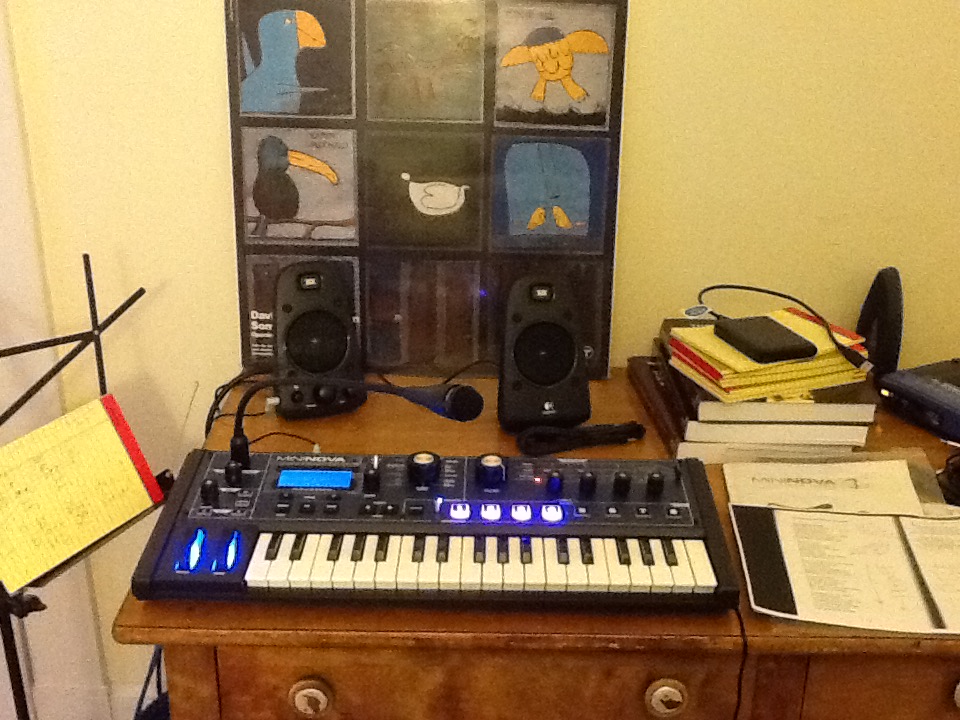
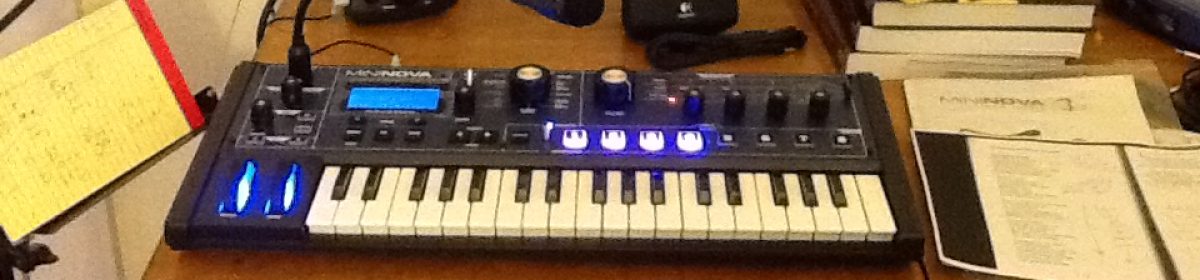
IMG_0233So, now we’re really into winter. Which means some snow days. And although the beginning of the semester has featured lots of administrative tasks, these are just about under control. Which means that when we have snow days from now on, I can get working for real on a new piece, with my snazzy new gear that Davy got me. (See above – synth/vocoder with new speakers)

The piece will performed at an “acoustic+” concert by the ensemble mis en in Brooklyn. I’ve known the director of the group for a few years now, as I played in a piece of his at a festival in France. He’s a very good musician, with lots of organizational as well as musical skills, so I’m looking forward to writing for and working with his group. The piece will feature both an accompanying prerecorded part along with some live vocoder processing of the instrumentalists. Right now, I’m just playing with the vocoder myself, adapting patches and carving out the basic harmonic materials. The underlying structure will be a setting of a poem by Miriam Gamble titled “Introducing the Nissan Jet-pack” – parts of the poem will be heard as part of the prerecorded sounds, and some will be spoken by members of the ensemble. So, lots of possibilities for text-painting, as well as lots of logistical planning. But fun planning. Especially on snow days.

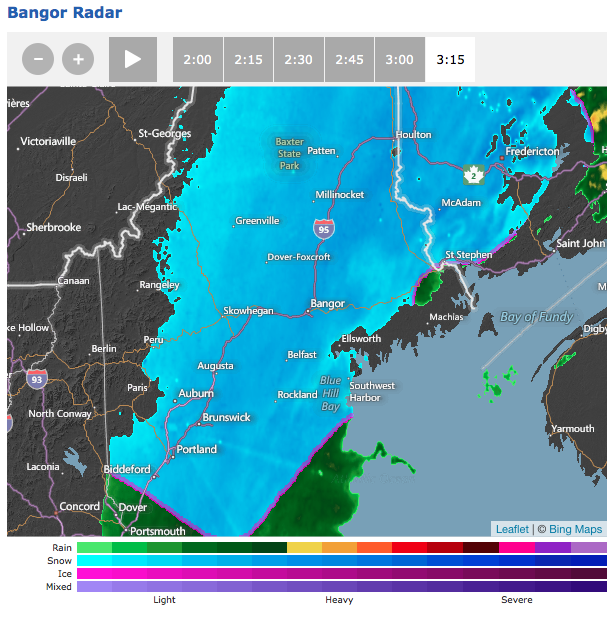
Wait, snow already?

What about the rest of autumn?

Screen Shot 2014-11-02 at 3.19.06 PM

Anyway, since the last post, the Vermont camp has been closed up, all of our outdoor furniture has been put away in Massachusetts, and the garage in Bangor has been reviewed for some patching before the long winter really takes over. I had thought I was doing this last task early enough in the year, but today could prove me wrong.

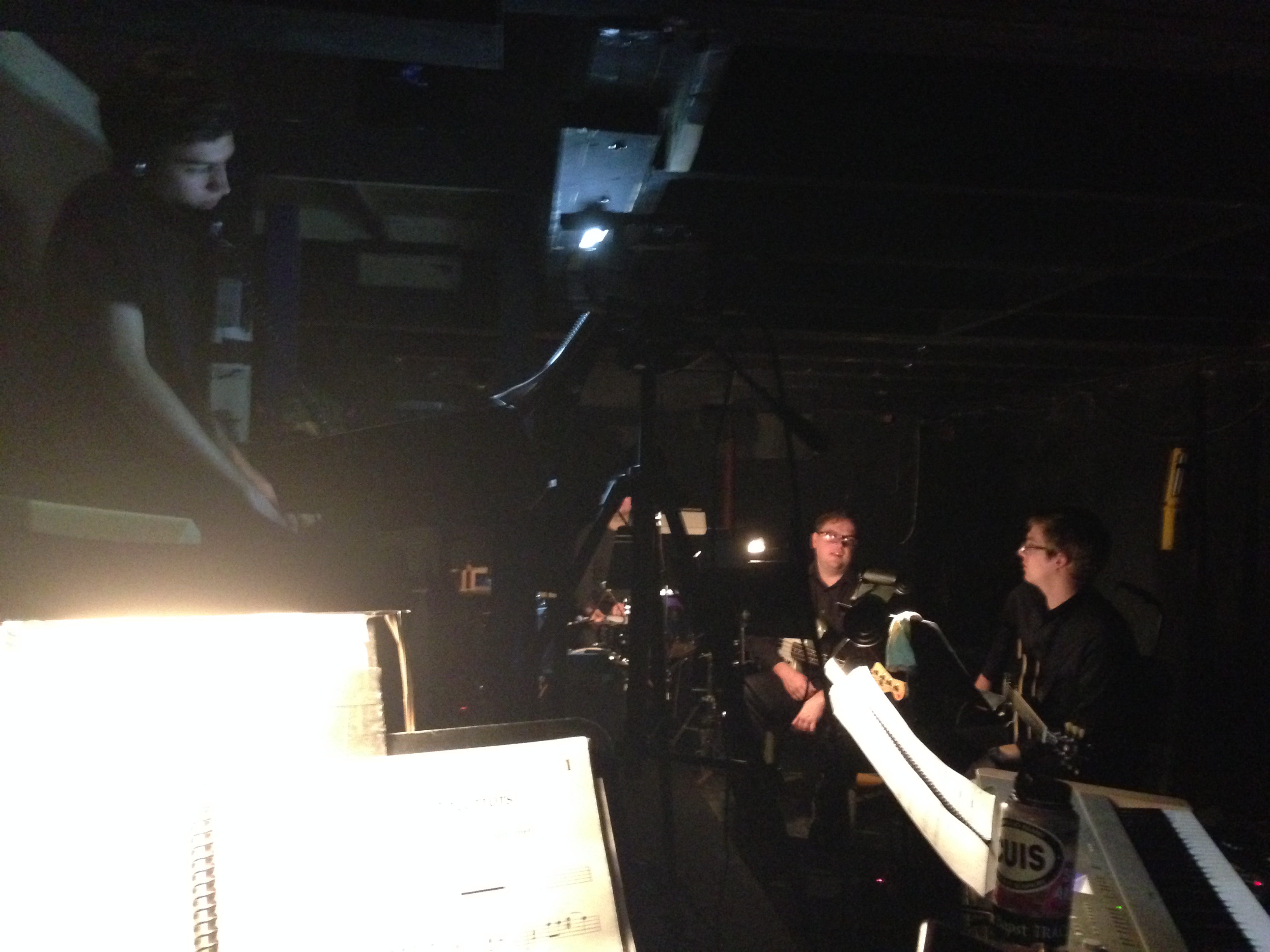
The fall season has certainly felt jam-packed, continuing on from the VSO Made-in-Vermont tour (and its Green Room appearances) to more driving to other concerts. I played in a full orchestra for the first time in a while, and then subbed in the SPA production of Little Shop in the pit, also for the first time in years. I had forgotten about the counting-many-bars-of-rests that is part and parcel of large ensemble playing, but this was really a minor distraction compared to the whole musical experience of being part of a big sound. It was particularly enjoyable to play with a mix of fellow faculty, students and recent UMaine grads on both occasions, all of whom were cheerful and sunny in what were perhaps less-than-ideal surroundings.

IMG_0545 Of course, my eyes had to adjust to the lighting – that part of the experience has not improved over time.

The next part of the semester features less clarinet playing on the schedule, but lots of concerts to attend and record. There are upcoming premieres of a few songs of mine on a couple of these concerts – one set of songs on poems by Rosalie Calabrese, and one single song on an old (really old) text by Robert, the Earl of Essex (When Silly Bees Could Speak). I am hoping that all of the performers involved in these concerts have the same good driving fortune I have had lately (particularly the performers driving up to Orono from NYC). We can also hope that the snow from today’s storm goes away quickly enough that we have a chance to forget about that kind of weather for a few more weeks. Or, for at least enough time for me make sure the Subaru and its tire treads are ready for the next few months.

Do you want to keep the bird sounds out of your recording?

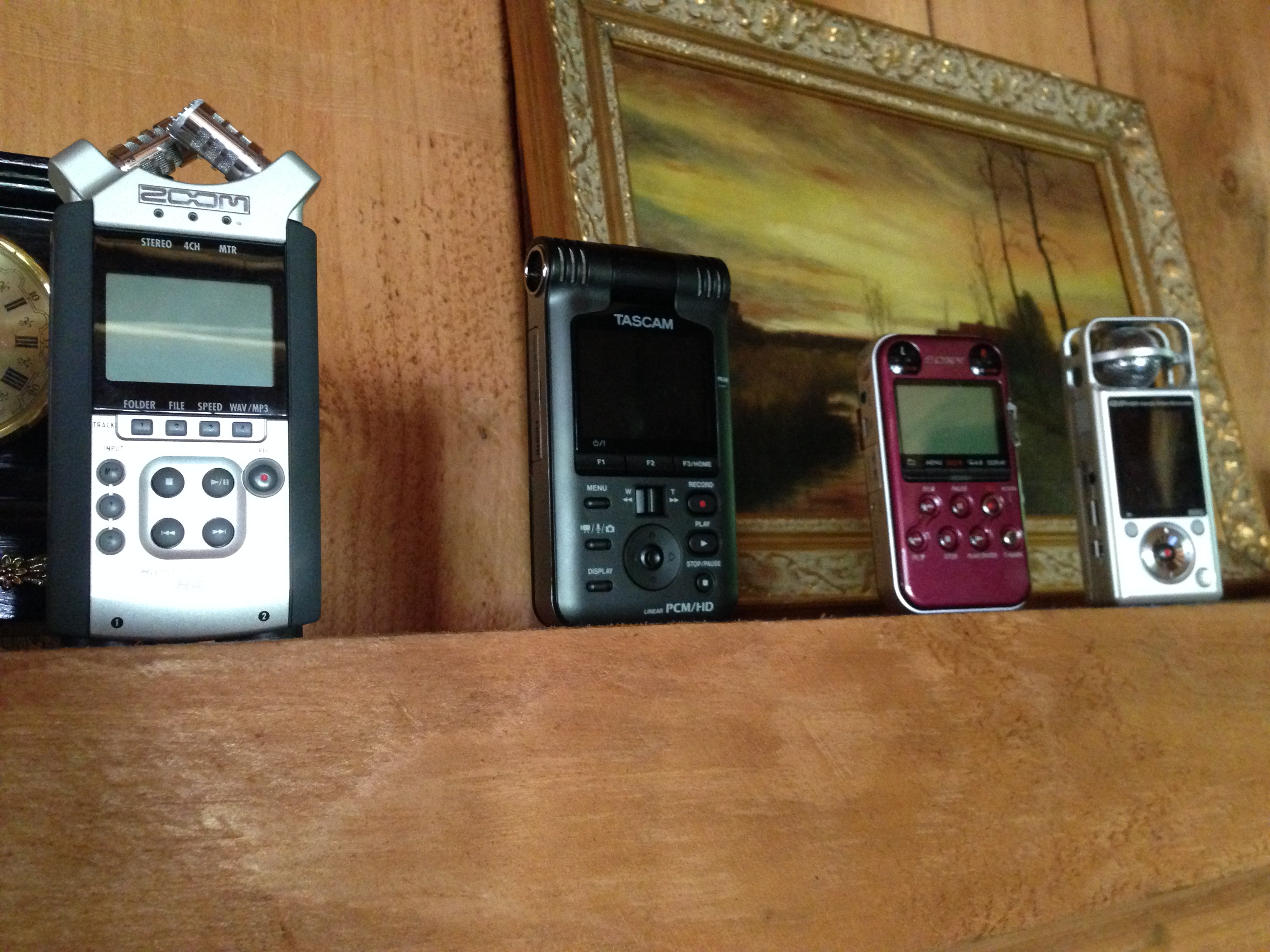
My husband went a little crazy with the electronics sales this past year, and we now have a bunch of slightly different handheld video/audio recorders. Voila:

IMG_0474

If you want to keep score, that’s a Zoom H4n, a Tascam PCM/HD, a Sony PCM/M10, and a Zoom Q2HD. They are arrayed on the mantle of the family house in Vermont, having just been used to record a new solo bass clarinet piece of mine. I tried to make the levels relatively similar, though doing this just using the visual meters wasn’t all that accurate.

Even before activating any of the plugins that come with these handhelds, the results were distinct. All of them recorded well, though. The sound on the Q2HD was very hot, and it picked up a lot of noise that I would rather not have documented – it was also a bright sound. The Tascam levels were the lowest of the bunch, but the sound was warmer as well. Out of the available files, I chose to upload the one from the H4n, and added a small bit of reverb.

The new piece takes off from some pieces by Scott Miller and Martin Gendelman that I’ve performed over the past year, both of which included multiphonic sounds. This is the first time I’ve really used them in my own work, and they are still not 100% reliable for me as a clarinetist – some work better than others. And many are so soft that traffic sounds from outside the house cover them up – hence the trial recordings in Vermont, far away from traffic, where you only have the birds to worry about. But I can live with the bird sounds for now.


(I think the H4n didn’t pick them up anyway. Key clicks yes, bird sounds no.)

ven·ue

ˈvenˌyo͞o/

noun

plural noun: venues

  1. the place where something happens, especially an organized event such as a concert, conference, or sports event.”the river could soon be the venue for a powerboat world championship event”

LAW 
the county or district within which a criminal or civil case must be heard.


I know everyone mainly listens to music via headphones now, (or in my case, via my car’s speakers), but we still acknowledge that most music was/is intended to be heard in a space built for listening. Maybe not exclusively for music listening, but listening. This past “spring,” I’ve had the chance to play and listen in a pretty wide variety of spaces, and most of them didn’t get too much in the way of the music involved, which was heartening. But the fact that these spaces included two very different chapels AND two somewhat different cement-box buildings in two months tells a lot about where we play music for people.

During this year’s SEAMUS conference in Connecticut, I performed Scott Miller’s piece “Contents May Differ” for amplified bass clarinet and fixed media electronics – in a space that certainly was not built for such a piece. The old campus chapel did contribute a lot to the work, though, since the resonance of the building heightened the resonance of the multiphonics in bass clarinet part as well of the rumbling bass sounds (adapted from the same multiphonic resonances) in the electronic part. In fact, any more resonance and there might have been some real trouble – maybe some chapel fixtures shaking and the like.

Of course, there was a lot to look at while you were listening to the concert in this venue as well – not an insignificant part of the experience.

IMG_0344

The other main hall for the conference was in a huge monolithic building – when I asked for directions to the space, people told me to “walk down the hill until you get to the Brutalist architecture”. Lots of cement, lots of grey, lots of mainly hard surfaces, and the performers seemed to be at least the length of a football field from the audience. The sound, which of course at this conference was mainly electronic, wasn’t really adversely affected acoustically, but it was hard to concentrate on the pieces in the space that was nothing so much as a stone cube. I’m happy that Scott’s piece was scheduled for the less minimalist church space, even with the smaller audience seating available there – even depressing pieces were more fun in the chapel.

Last week I experienced another cement box, though smaller, at a show by Gabriel Kahane and Rob Moose in my old hometown. I remember playing there myself in high school – it was sort of an intimate brutalist hall, again with grey concrete and a stage that seemed far away for the size of the room. It has been recalibrated, though, or so a local musician told me. Apparently Steve Reich has played there and described the room as an acoustic nightmare, so adjustments were made in response. The last time I played there was 5 years ago, when it was still in process, playing a bunch of multimedia pieces. Here’s a photo of John Sampen doing similarly last year in the venue. There’s more cloth now in addition to the cement and wood panels.

sampen_bunce

All told, even with the adjustments, it was not my favorite place to here Gabriel Kahane’s songs. The amplification necessary for the guitars and electronic sound processing was reinforced by the hall echo, and got in the way of the lyrics some of the time. The best sound balance happened when the singers faced the audience directly – but that may have been partly psychological, since then the listeners can read the performers’ faces better and get the sense of the text from more than just hearing the words.


The next time I actually performed after SEAMUS was part of an event for donors at the Ragdale Foundation. There. I just performed in my studio, which had high ceilings and good sight lines, but not much space for the listeners. I did two slightly different open studios that day – one in the afternoon for the other residents, and one at night for both residents and donors. Those who came to both were surprised at the difference in the sound between the performances. I explained that many people believe (for a variety of reasons, including lowered heat, lowered use of electricity, less activity in the general environment) that music sounds better after the sun goes down, and many of the residents hadn’t ever thought of that. I suppose that the more we all use headphones the less we think about sound in the actual air.

10299555_10202714870167628_671135282108006228_n


I was back in a chapel at the end of April, when some of my songs were done in Portland at the Back Cove Festival. This festival usually takes place in rooms at the Portland Conservatory, which have a basic auditorium feel. However, this year featured a bunch of organ music, so the large church next door was used. I think the audience had a better time at this venue than in the previous years’ auditorium, but the performers had a bit less fun. They had to worry about sight lines more, fitting around the altar steps, and most importantly, hearing each other through the pretty substantial echo. The audience had a lot to look at, though, and depending on where you were sitting/which ensemble was playing, you could hear fairly well. And when the organ kicked in, it was obviously worth it. If scheduled there again, I would think carefully about what kind of piece to bring to the Festival – probably something like organ music.


Screen Shot 2014-05-06 at 3.10.49 PM